Understanding Firing Techniques for Pottery
Date :
May 28, 2025
Category :
Techniques
Reading time
4 minutes
Summary
Firing is one of the most crucial steps in the pottery-making process—it transforms fragile clay into durable ceramic and brings glazes to life. Whether you're a hobbyist or an experienced ceramicist, understanding different firing techniques helps you gain better control over your results. This blog dives into the fundamentals of pottery firing, the types of kilns, and key methods used by ceramic artists around the world.
Why Firing Matters
Before firing, clay is simply shaped earth. It's porous, delicate, and not waterproof. Firing chemically alters the clay body, strengthening it and making it functional. It also sets glazes, finishes, and colors. The firing process can drastically affect texture, durability, and appearance—making it essential to understand the technique best suited to your creative vision.
Firing is essential in pottery, transforming raw clay into durable, functional ceramic. It hardens the form, sets glazes, and enhances texture and color. Without firing, pieces remain fragile and unusable. This process ensures strength, beauty, and longevity, making it a vital step in creating lasting, expressive ceramic art.
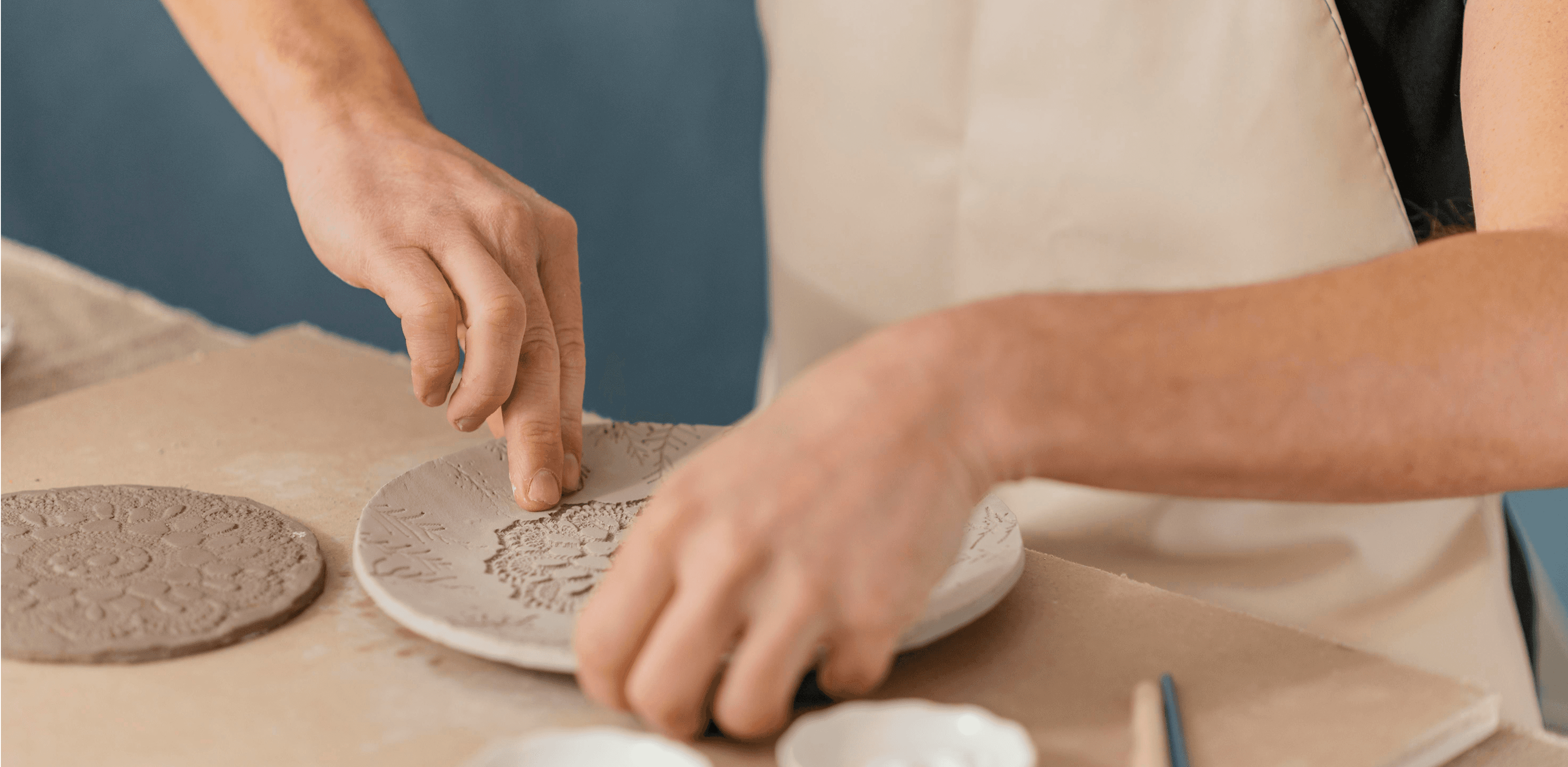
Common Firing Techniques
Common firing techniques include bisque firing to harden clay, glaze firing to set finishes, and raku for unique, smoky effects. Pit firing offers organic patterns, while salt and soda firing create textured surfaces. Each method affects color, strength, and appearance, allowing potters to achieve diverse, artistic ceramic results.
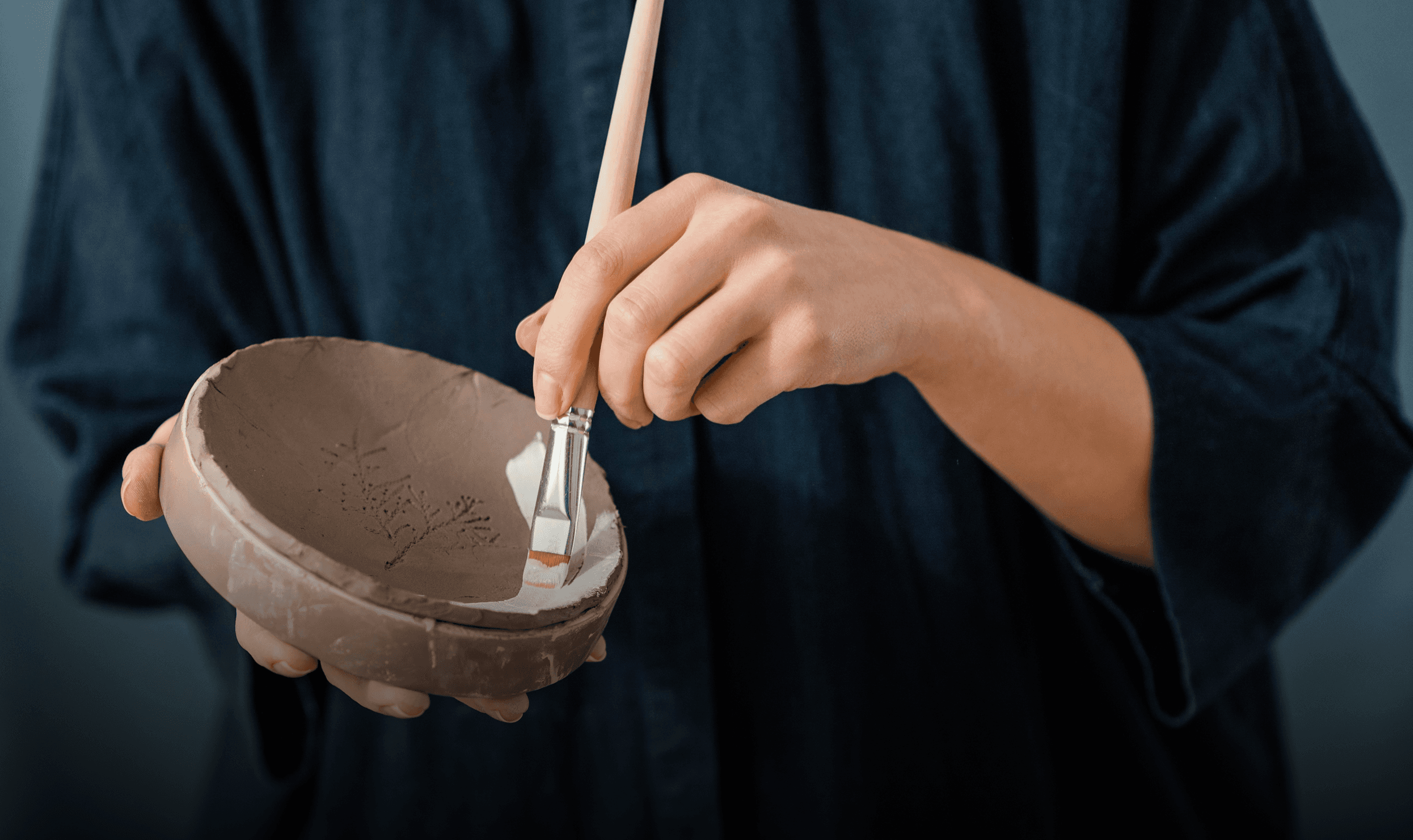
The first firing that hardens clay so it can be safely glazed.
Bisque firing drives out moisture and carbon-based impurities, making pottery strong yet porous enough to absorb glaze.
The second firing, where glaze melts and forms a smooth, glass-like coating.
Between 1828°F (998°C) and 2345°F (1285°C), depending on the glaze and clay type.
Timing, atmosphere, and temperature control are critical in achieving consistent glaze results.
A fast, low-temperature method resulting in crackled or smoky finishes.
Pieces are removed from the kiln while red-hot and placed into combustibles, creating dramatic visual effects.
Mastering firing techniques is key to evolving your pottery practice. Each method offers different aesthetic and structural results, allowing you to experiment and express your creative identity. Whether you're after precision or unpredictability, understanding how firing affects your work will help you produce stronger, more beautiful ceramics with confidence.
Mastering firing techniques is key to transforming clay into durable, beautiful ceramics. From bisque to raku, each method shapes texture, strength, and color—empowering artists to create unique, lasting pottery with both function and artistic expression.
Impact on user experience
The firing technique profoundly impacts user experience by influencing a pottery piece’s durability, texture, and visual appeal. Well-fired ceramics feel sturdy and comfortable to use, while unique finishes enhance aesthetic enjoyment. This combination of function and beauty creates a satisfying, memorable connection between the user and the ceramic object.